
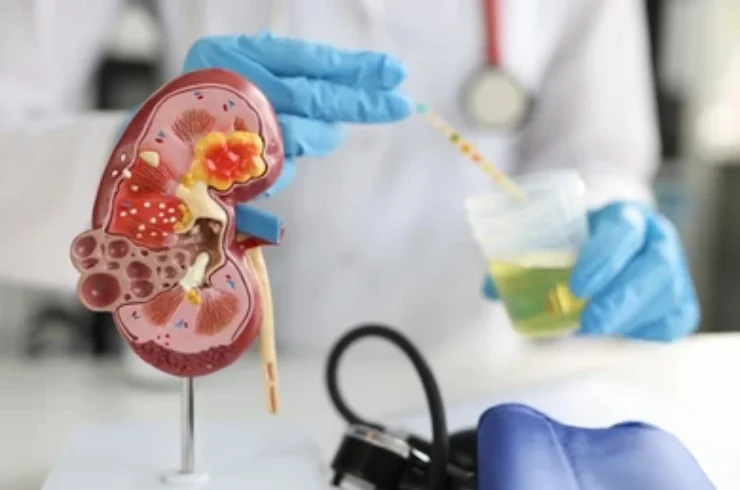
Kidney and urinary health play an important role in maintaining the body’s fluid balance, waste elimination, and overall well-being. At Saaroopya Homeo Clinic, we provide individualised homeopathic consultations for concerns such as renal calculi, urinary tract infections, and cystitis. Our approach involves understanding each patient’s symptoms, medical history, and individual health needs while encouraging appropriate diagnostic investigations, specialist referrals, and evidence-based medical care.
Renal Stones refer to the formation of hard mineral and salt deposits within the kidneys. These stones develop when certain substances in the urine become highly concentrated and crystallise. Depending on their size and location, they may obstruct urinary flow and cause significant discomfort.
Common Symptoms
Severe, sharp pain in the flank or side of the abdomen, sometimes radiating towards the groin.
Haematuria (blood in the urine), which may appear pink, red, or brown.
Dysuria (painful or burning urination).
Nausea and vomiting, particularly during episodes of renal colic.
Frequent urination or difficulty passing urine when a stone moves towards the urinary tract.
Main Types of Kidney Stones
Calcium Oxalate Stones: The most common type, formed from calcium combined with oxalate.
Calcium Phosphate Stones: May develop in association with certain metabolic or urinary conditions.
Uric Acid Stones: Form when urine remains persistently acidic and uric acid concentrations become elevated.
Struvite Stones: Often associated with certain bacterial urinary tract infections.
Cystine Stones: Uncommon stones associated with an inherited condition called cystinuria.
Main Causes and Risk Factors
Inadequate fluid intake and concentrated urine.
Dietary factors, including excessive sodium intake.
Family history or previous episodes of kidney stones.
Metabolic conditions affecting calcium, oxalate, or uric acid levels.
Recurrent urinary tract infections and certain underlying medical conditions.
Diagnosis may involve urine analysis, blood investigations, ultrasound, or CT imaging to determine the size, location, and possible obstruction caused by the stones.
Urinary Tract Infection refers to a bacterial infection affecting one or more parts of the urinary system, including the urethra, bladder, ureters, and kidneys. Depending on the site of infection, symptoms may range from mild urinary discomfort to more serious systemic illness.
Common Types
Urethritis: Inflammation or infection of the urethra, often associated with burning during urination.
Cystitis: Infection or inflammation of the urinary bladder, commonly causing urgency, frequency, and lower abdominal discomfort.
Pyelonephritis: An infection involving one or both kidneys, potentially causing fever, chills, flank pain, nausea, and vomiting.
Common Symptoms
Dysuria (burning or pain during urination).
Increased urinary frequency and urgency.
Suprapubic pain or discomfort in the lower abdomen.
Cloudy or strong-smelling urine.
Haematuria (blood in the urine) in some cases.
Fever, chills, and flank pain when the infection involves the kidneys.
Main Causes and Risk Factors
Bacterial Infection: Most UTIs are caused by bacteria, particularly Escherichia coli (E. coli).
Urinary Stasis: Incomplete bladder emptying may encourage bacterial growth.
Urinary Obstruction: Kidney stones or structural abnormalities may interfere with normal urine flow.
Catheter Use: Urinary catheterisation can increase the risk of infection.
Anatomical Factors: Differences in urinary tract anatomy can influence susceptibility to infection.
Diagnosis commonly involves urine routine examination and urine culture to identify the causative organism and guide appropriate antimicrobial treatment.
Cystitis is inflammation of the urinary bladder, most commonly caused by a bacterial infection. It may also occur due to non-infectious factors such as certain medications, chemical irritants, or radiation therapy. The condition can cause persistent urinary discomfort and interfere with everyday activities.
Common Symptoms
Dysuria (burning or painful urination).
Increased urinary frequency, even when only small amounts of urine are passed.
Urinary urgency and difficulty postponing urination.
Suprapubic pain or pressure in the lower abdomen.
Cloudy urine or blood in the urine.
A sensation of incomplete bladder emptying.
Main Types
Acute Bacterial Cystitis: A sudden bladder infection, commonly caused by bacteria entering through the urethra.
Recurrent Cystitis: Repeated episodes of bladder infection occurring over time.
Interstitial Cystitis (Bladder Pain Syndrome): A chronic condition involving bladder pressure, discomfort, and urinary frequency without a typical bacterial infection.
Drug-Induced or Radiation Cystitis: Bladder inflammation associated with certain medications or radiation exposure.
Main Causes and Risk Factors
Bacterial entry into the urinary bladder.
Incomplete bladder emptying and urinary retention.
Urinary stones or structural abnormalities.
Use of urinary catheters.
Certain medications, chemical irritants, or previous pelvic radiation.
At Saaroopya Homeo Clinic, we prioritise attentive consultations and compassionate patient interactions. Our doctors take time to understand individual symptoms, medical history, and health concerns before offering appropriate guidance. We emphasise clear communication, responsible healthcare practices, and timely referrals to support informed decisions about kidney and urinary health.
Book your consultation today and take the next step toward better health.