
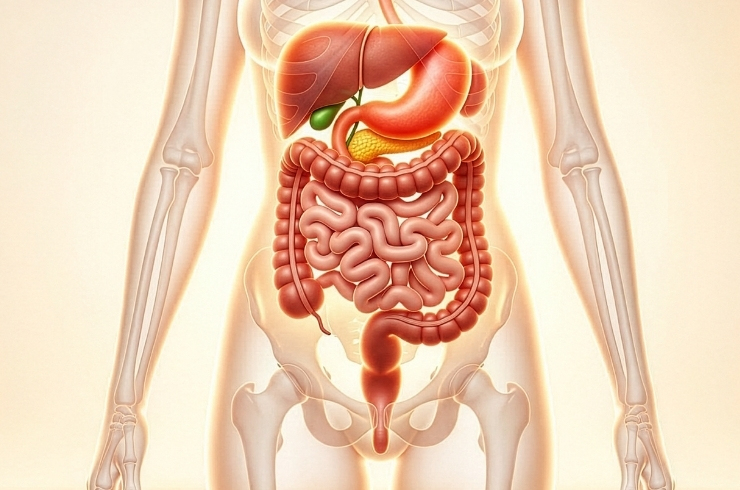
Digestive health plays an essential role in daily comfort, nutritional well-being, and overall health. At Saaroopya Homeo Clinic, we provide individualised homeopathic consultations for a range of gastrointestinal concerns, including acidity, indigestion, constipation, and abdominal discomfort. Our approach involves understanding each individual’s symptoms, dietary patterns, lifestyle, and medical history, while encouraging appropriate clinical investigations and evidence-based medical care wherever necessary.
Gastritis refers to inflammation of the gastric mucosa, the protective lining of the stomach. It may develop suddenly or persist over time and can be associated with infection, certain medications, alcohol consumption, or other irritants. Increased gastric acidity and gastro-oesophageal reflux may also contribute to upper digestive discomfort, although they are distinct conditions.
Common symptoms and presentations include:
Epigastric Pain: Discomfort or pain in the upper central abdomen.
Heartburn: A burning sensation that may rise from the stomach towards the chest.
Nausea: A feeling of sickness, sometimes accompanied by vomiting.
Abdominal Bloating: A sensation of fullness, pressure, or excessive gas.
Post-Meal Discomfort: Symptoms that may worsen or improve after eating.
Common forms include acute gastritis, chronic gastritis, erosive gastritis, and Helicobacter pylori-associated gastritis. Assessment considers symptom patterns, dietary habits, medication use, medical history, and possible underlying causes. Investigations such as H. pylori testing or endoscopy may be recommended when indicated.
Diarrhoea is characterised by frequent passage of loose or watery stools, often accompanied by abdominal cramps, urgency, and dehydration. Dysentery refers to diarrhoea associated with blood and often mucus in the stool, commonly resulting from intestinal infection and inflammation. Both conditions may be caused by viruses, bacteria, parasites, contaminated food, or water.
Common symptoms include:
Frequent loose or watery bowel movements.
Abdominal cramps, pain, or intestinal discomfort.
Urgency and increased frequency of defecation.
Blood or mucus in the stool, particularly in dysentery.
Nausea, vomiting, fever, and reduced appetite.
Dehydration, which may cause excessive thirst, dry mouth, dizziness, or reduced urine output.
Assessment considers the duration and frequency of bowel movements, hydration status, recent food and water exposure, travel history, and associated symptoms. Stool investigations may be necessary to identify infectious causes.
Haemorrhoids, commonly known as piles, are enlarged or swollen vascular cushions in the anal canal that may cause discomfort during bowel movements. They are frequently associated with straining, chronic constipation, prolonged sitting, and increased pressure in the anorectal region. Symptoms vary according to the location and severity of the haemorrhoids.
Common types include:
Internal Haemorrhoids: Located inside the rectum and may cause painless, bright-red rectal bleeding.
External Haemorrhoids: Develop beneath the skin around the anus and may cause pain, itching, and swelling.
Thrombosed Haemorrhoids: Occur when a blood clot forms within an external haemorrhoid, potentially causing sudden and severe pain.
Prolapsed Haemorrhoids: Internal haemorrhoids that protrude through the anal opening.
Other symptoms may include irritation, mucus discharge, discomfort while sitting, and a sensation of incomplete evacuation. Assessment may involve an anorectal examination to distinguish haemorrhoids from other causes of rectal bleeding.
Indigestion, medically termed dyspepsia, refers to recurring or occasional discomfort in the upper abdomen, particularly during or after meals. It may occur due to functional digestive disturbances or underlying conditions such as gastritis, peptic ulcers, and gastro-oesophageal reflux disease (GERD).
Common symptoms include:
Epigastric Discomfort: Pain or burning in the upper central abdomen.
Postprandial Fullness: An uncomfortable feeling of fullness after eating.
Early Satiety: Feeling full sooner than expected while eating.
Belching: Frequent release of gas from the stomach through the mouth.
Nausea and Bloating: Digestive discomfort accompanied by a sensation of abdominal distension.
Assessment considers meal patterns, food triggers, medication history, symptom frequency, and associated gastrointestinal complaints. Persistent or unexplained dyspepsia may require further investigation.
Constipation is a common gastrointestinal concern characterised by infrequent bowel movements, hard or dry stools, straining, and difficulty passing stools. Some individuals may also experience a sensation of incomplete evacuation or abdominal discomfort. It may be associated with inadequate dietary fibre, insufficient fluid intake, reduced physical activity, medication use, or underlying medical conditions.
Common symptoms include:
Infrequent bowel movements or difficulty passing stools.
Hard, dry, or pellet-like stools.
Straining or pain during defecation.
Abdominal bloating, discomfort, or cramps.
A sensation of incomplete bowel evacuation.
Excessive time spent during bowel movements.
Assessment considers dietary fibre intake, hydration, activity levels, bowel habits, medication use, and possible underlying causes. Persistent constipation, particularly when accompanied by rectal bleeding, unexplained weight loss, or severe abdominal pain, requires medical evaluation.
Irritable bowel syndrome (IBS) is a disorder of gut-brain interaction characterised by recurring abdominal pain associated with changes in bowel habits. It may affect intestinal function without producing the structural inflammation typically seen in inflammatory bowel diseases. Symptoms can vary in frequency and severity and may be influenced by dietary patterns, stress, and individual sensitivities.
Common types include:
IBS with Constipation (IBS-C): Predominantly hard stools and difficulty with bowel movements.
IBS with Diarrhoea (IBS-D): Frequent loose stools and increased bowel urgency.
IBS with Mixed Bowel Habits (IBS-M): Alternating episodes of constipation and diarrhoea.
Unclassified IBS (IBS-U): Symptoms that do not consistently fit the other categories.
Common symptoms include recurrent abdominal pain, bloating, excessive gas, changes in stool consistency, and a sensation of incomplete evacuation. Assessment considers symptom duration, bowel patterns, dietary triggers, stress factors, and warning signs that may suggest another gastrointestinal condition.
Helminthiasis refers to intestinal infection caused by parasitic worms. Common intestinal parasites include roundworms, hookworms, whipworms, and pinworms. Infection may occur through contaminated food, water, soil, or contact with contaminated surfaces. Symptoms depend on the type and intensity of infection, and some individuals may have few or no noticeable symptoms.
Common types include:
Ascariasis: Intestinal infection caused by the roundworm Ascaris lumbricoides.
Enterobiasis: Pinworm infection, commonly associated with itching around the anus, particularly at night.
Hookworm Infection: May cause abdominal discomfort, intestinal blood loss, and iron-deficiency anaemia.
Trichuriasis: Whipworm infection that may cause abdominal pain and diarrhoea.
Taeniasis: Intestinal infection caused by certain tapeworm species.
Other symptoms may include altered bowel habits, nausea, appetite changes, nutritional deficiencies, and fatigue. Stool examination and other investigations may be recommended to identify the parasite. Prescribed antiparasitic medication and appropriate hygiene measures are important for effective management.
Jaundice, medically termed icterus, refers to yellow discolouration of the skin, whites of the eyes, and sometimes mucous membranes due to elevated bilirubin levels in the blood. It is a clinical sign rather than an independent disease and may indicate an underlying liver, bile duct, or blood-related condition. Identifying its cause is essential for appropriate management.
Common underlying causes include:
Prehepatic Causes: Increased breakdown of red blood cells, as seen in certain haemolytic disorders.
Hepatic Causes: Liver conditions such as viral hepatitis, alcoholic liver disease, or other forms of liver injury.
Posthepatic Causes: Obstruction of bile flow due to gallstones, bile duct strictures, or other obstructive conditions.
Associated symptoms may include dark-coloured urine, pale stools, itching, fatigue, nausea, and abdominal discomfort. Assessment may involve liver function tests, bilirubin measurements, blood investigations, and abdominal imaging to identify the underlying cause.
Peptic ulcers are open sores that develop in the lining of the stomach or the first part of the small intestine, known as the duodenum. They commonly occur due to Helicobacter pylori infection or prolonged use of non-steroidal anti-inflammatory drugs (NSAIDs). Symptoms may vary depending on the location, severity, and presence of complications.
Common types include:
Gastric Ulcers: Develop in the stomach lining and may cause upper abdominal pain or discomfort.
Duodenal Ulcers: Occur in the first part of the small intestine and may cause burning or gnawing abdominal pain.
Complicated Peptic Ulcers: May result in bleeding, perforation, or gastric outlet obstruction.
Common symptoms include epigastric burning, nausea, bloating, early fullness, and discomfort related to meals. Assessment may involve H. pylori testing, blood investigations, and upper gastrointestinal endoscopy. Appropriate medical treatment is important to promote healing and prevent complications.
Ulcerative colitis is a chronic inflammatory bowel disease (IBD) characterised by persistent inflammation and ulceration of the inner lining of the colon and rectum. It commonly begins in the rectum and may extend continuously through other sections of the large intestine. The condition often follows a relapsing-remitting pattern, with periods of active symptoms and remission.
Common presentations include:
Ulcerative Proctitis: Inflammation limited to the rectum.
Proctosigmoiditis: Inflammation involving the rectum and sigmoid colon.
Left-Sided Colitis: Inflammation extending through the left side of the colon.
Extensive Colitis: Inflammation affecting a larger portion or the entire colon.
Common symptoms include persistent diarrhoea, blood or mucus in the stool, abdominal cramps, rectal urgency, fatigue, and unintended weight loss. Assessment may involve stool tests, blood investigations, colonoscopy, and biopsy. Ongoing specialist care is important to monitor inflammation and prevent complications.
Gallstones, medically termed cholelithiasis, are hardened deposits that develop within the gallbladder due to changes in the composition of bile. They may remain asymptomatic or cause pain when they obstruct the normal flow of bile. Symptoms often occur after meals, particularly those containing high amounts of fat, although food intake does not always trigger an episode.
Common types include:
Cholesterol Gallstones: Formed primarily from hardened cholesterol deposits.
Pigment Gallstones: Composed mainly of bilirubin compounds and associated with certain blood or liver conditions.
Mixed Gallstones: Contain varying proportions of cholesterol, bile pigments, and other substances.
Common symptoms and complications include:
Pain in the right upper abdomen (right upper quadrant).
Pain that may extend towards the back or right shoulder.
Nausea and vomiting, particularly during painful episodes.
Gallbladder inflammation (acute cholecystitis).
Bile duct obstruction, which may cause jaundice.
Pancreatitis if a stone obstructs the pancreatic duct.
Assessment may include abdominal ultrasound, liver function tests, and other imaging investigations when required. Symptomatic gallstones and complications require appropriate medical or surgical evaluation.
At Saaroopya Homeo Clinic, we prioritise understanding each patient’s digestive concerns through attentive consultations and individual assessment. Our doctors consider medical history, lifestyle, dietary habits, and symptom patterns while providing thoughtful healthcare guidance. We emphasise compassionate communication, responsible practice, and appropriate referrals to support informed decisions about digestive health.
Book your consultation today and take the next step toward better health.