
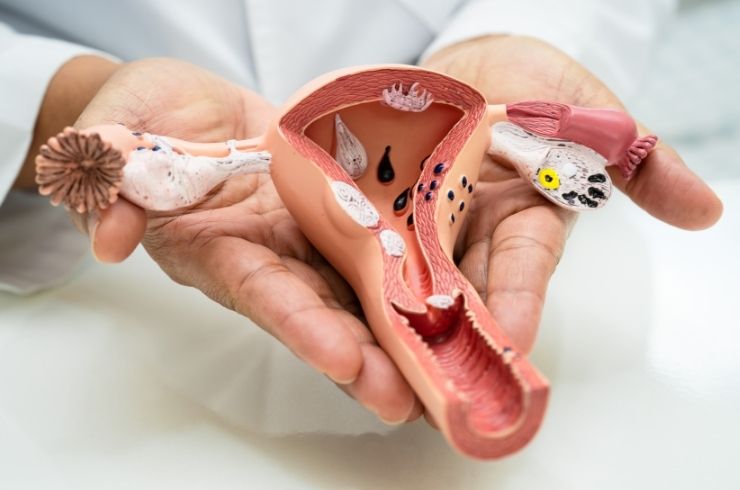
Women’s health needs thoughtful attention, understanding, and individualised care through every stage of life. At Saaroopya Homeo Clinic, we provide personalised homeopathic consultations for concerns such as menstrual irregularities, polycystic ovary syndrome (PCOS), menopause-related symptoms, and reproductive health. Our approach involves understanding individual symptoms, hormonal and reproductive health history, and lifestyle factors while encouraging appropriate gynaecological evaluation, diagnostic investigations, and evidence-based medical care.
Menstrual Disorders (Disorders Menstruationis) refer to irregularities in the menstrual cycle, including changes in frequency, duration, flow, and associated discomfort. These variations may occur due to hormonal fluctuations, reproductive health conditions, or other underlying medical factors.
Common Types
Amenorrhoea: Absence of menstruation, which may be primary (periods have not started by the expected age) or secondary (menstruation stops for several months after previously occurring).
Dysmenorrhoea: Painful menstruation associated with uterine cramping, lower abdominal pain, backache, and sometimes nausea.
Menorrhagia: Excessively heavy or prolonged menstrual bleeding that may interfere with daily activities and contribute to iron-deficiency anaemia.
Oligomenorrhoea: Infrequent menstrual periods, typically involving prolonged intervals between cycles.
Common Symptoms
Irregular menstrual cycles or missed periods.
Excessively heavy or unusually light menstrual flow.
Severe abdominal cramps and pelvic pain.
Prolonged menstrual bleeding.
Fatigue, weakness, or dizziness associated with excessive blood loss.
Main Causes and Risk Factors
Hormonal imbalances involving oestrogen and progesterone.
Polycystic ovary syndrome (PCOS).
Thyroid dysfunction and other endocrine disorders.
Uterine fibroids, endometriosis, or adenomyosis.
Significant changes in body weight, stress, or excessive physical activity.
Evaluation may involve menstrual history, physical examination, hormonal investigations, blood tests, and pelvic ultrasound when indicated.
Infertility (Infertilitas) refers to a reproductive health condition in which pregnancy is not achieved after 12 months or more of regular unprotected sexual intercourse. Earlier evaluation may be appropriate for women aged 35 years or older, or when known reproductive health concerns are present.
Common Types
Primary Infertility: Pregnancy has never been achieved.
Secondary Infertility: Difficulty achieving pregnancy after one or more previous pregnancies.
Possible Contributing Factors
Ovulatory Disorders: Irregular or absent ovulation, which may occur with PCOS or hormonal disturbances.
Tubal Factors: Blockage or damage to the fallopian tubes that may interfere with fertilisation.
Uterine Factors: Fibroids, polyps, or structural abnormalities affecting the uterine cavity.
Endometriosis: A condition involving endometrial-like tissue growing outside the uterus, potentially affecting reproductive function.
Male Reproductive Factors: Sperm-related concerns involving count, motility, morphology, or other reproductive parameters.
Clinical Evaluation
Menstrual and reproductive history.
Assessment of ovulation and hormonal function.
Pelvic ultrasound and evaluation of reproductive anatomy.
Fallopian tube assessment when indicated.
Semen analysis as part of the evaluation of both partners.
Identifying the underlying factors helps couples understand appropriate fertility treatment options and specialist care.
Uterine Prolapse (Prolapsus Uteri) is a form of pelvic organ prolapse in which the uterus descends from its normal anatomical position into the vaginal canal due to weakening or stretching of the pelvic floor muscles and supporting ligaments.
Common Symptoms
Pelvic heaviness, pressure, or a dragging sensation.
A feeling of fullness or tissue protruding from the vagina.
Lower back discomfort or pelvic pain.
Urinary frequency, difficulty emptying the bladder, or urinary leakage.
Difficulty with bowel movements or discomfort during sexual activity.
Main Causes and Risk Factors
Vaginal childbirth and multiple pregnancies.
Age-related weakening of pelvic floor support.
Menopause-related reduction in oestrogen levels.
Chronic constipation and repeated straining.
Persistent coughing, heavy lifting, or increased abdominal pressure.
Genetic predisposition and connective tissue weakness.
Clinical assessment may include a pelvic examination to determine the degree of prolapse and identify associated bladder or bowel concerns.
Menopausal Syndrome (Syndroma Climactericum) describes the physical, hormonal, and emotional changes that may occur during the menopausal transition. Menopause is defined as the permanent cessation of menstruation following 12 consecutive months without a menstrual period, when no other cause is identified.
Common Symptoms
Vasomotor Symptoms: Hot flashes, sudden warmth, and night sweats.
Sleep Disturbances: Difficulty falling asleep, frequent waking, and disrupted sleep patterns.
Mood Changes: Irritability, anxiety, low mood, and emotional fluctuations.
Genitourinary Symptoms: Vaginal dryness, discomfort during intercourse, and urinary urgency.
Menstrual Changes: Irregular cycles and variations in menstrual flow during perimenopause.
Physical Changes: Joint discomfort, fatigue, and changes in body composition.
Main Causes and Associated Factors
Declining ovarian oestrogen and progesterone production.
Age-related changes in ovarian function.
Surgical removal of the ovaries or certain medical treatments.
Individual differences in hormonal transition and general health.
Clinical evaluation helps distinguish menopausal symptoms from other conditions, including thyroid disorders and cardiovascular or metabolic concerns.
Cervicitis refers to inflammation of the cervix, the lower portion of the uterus that opens into the vagina. It may result from sexually transmitted infections, other infections, chemical irritants, or non-infectious inflammatory conditions.
Common Symptoms
Unusual vaginal discharge.
Bleeding between menstrual periods.
Bleeding following sexual intercourse.
Pelvic discomfort or pain during intercourse.
Burning or discomfort during urination in some cases.
Main Causes
Infectious Causes: Sexually transmitted infections such as chlamydia, gonorrhoea, and trichomoniasis.
Viral Infections: Certain viral infections, including herpes simplex virus.
Non-Infectious Causes: Chemical irritants, vaginal products, or sensitivity to certain contraceptive materials.
Associated Conditions: Vaginal infections or changes in the normal vaginal microbial environment.
Clinical evaluation may include a pelvic examination, cervical swabs, and laboratory testing to identify the underlying cause and guide appropriate treatment.
Leucorrhoea refers to vaginal discharge that may be physiological (normal) or associated with an underlying gynaecological condition. Normal vaginal discharge helps maintain vaginal moisture and cleanliness. Changes in its colour, consistency, odour, or associated symptoms may indicate the need for medical assessment.
Common Characteristics
Clear or white discharge that may vary during the menstrual cycle.
Increased discharge associated with hormonal changes.
Thick, clumpy discharge that may occur with vaginal candidiasis.
Thin, greyish discharge with an unusual odour, sometimes associated with bacterial vaginosis.
Yellowish or greenish discharge that may indicate an infection, particularly when accompanied by irritation or discomfort.
Associated Symptoms
Vaginal itching or irritation.
Burning sensation during urination.
Unpleasant or unusual vaginal odour.
Pelvic discomfort or pain during intercourse.
Redness or inflammation around the vaginal area.
Possible Causes
Physiological hormonal fluctuations.
Vaginal candidiasis (Candida infection).
Bacterial vaginosis.
Sexually transmitted infections such as trichomoniasis.
Cervical or vaginal inflammation.
Assessment may involve a gynaecological examination, vaginal swab, and laboratory testing to identify possible infections.
Polycystic Ovary Syndrome (PCOS) is a common hormonal and metabolic disorder affecting ovarian function. It is often associated with hyperandrogenism (elevated androgen activity), irregular ovulation, and metabolic changes. Despite its name, the condition does not simply refer to the presence of ovarian cysts.
Common Symptoms
Irregular, infrequent, or absent menstrual periods.
Anovulation (absence of regular ovulation) and difficulties with conception.
Hirsutism (excess facial or body hair).
Acne and increased skin oiliness.
Androgenic alopecia (patterned hair thinning).
Weight changes and features of insulin resistance, including acanthosis nigricans in some individuals.
Main Associated Factors
Hormonal Imbalance: Increased androgen activity may interfere with normal ovarian function.
Insulin Resistance: Reduced insulin sensitivity may contribute to increased insulin levels and androgen production.
Genetic Predisposition: Family history may increase susceptibility.
Metabolic Factors: PCOS may be associated with increased risks of type 2 diabetes, dyslipidaemia, and other metabolic concerns.
Clinical Evaluation
Menstrual and reproductive health history.
Assessment of clinical signs of hyperandrogenism.
Hormonal and metabolic blood investigations.
Pelvic ultrasound when clinically indicated.
Evaluation for other conditions that may cause similar symptoms, including thyroid disorders.
At Saaroopya Homeo Clinic, we understand that women’s health concerns require sensitivity, privacy, and individual attention. Our doctors prioritise detailed consultations, compassionate communication, and personalised healthcare guidance. We encourage appropriate medical investigations, specialist referrals, and informed decisions while creating a comfortable environment for discussing personal health concerns.
Book your consultation today and take the next step toward better health.