
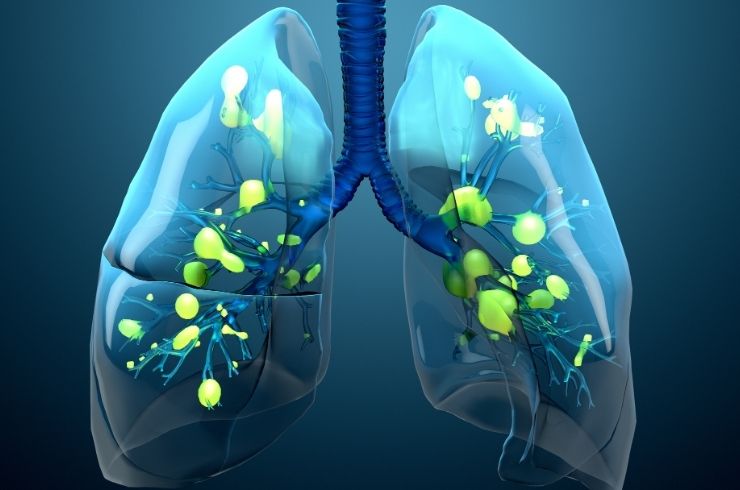
Respiratory health plays an essential role in comfortable breathing, physical activity, and everyday well-being. At Saaroopya Homeo Clinic, we provide individualised homeopathic consultations for concerns such as common cold, sinusitis, cough, and asthma. Our approach involves understanding each patient’s symptoms, medical history, environmental exposures, and lifestyle factors while encouraging appropriate respiratory evaluation, diagnostic investigations, and evidence-based medical care.
Common Cold (Nasopharyngitis Acuta) is a contagious viral infection affecting the upper respiratory tract, particularly the nasal passages and throat. It is commonly caused by rhinoviruses and may lead to temporary inflammation of the respiratory mucosa.
Common Symptoms
Rhinorrhoea (runny nose) and nasal congestion.
Frequent sneezing and throat irritation.
Mild cough and hoarseness.
Low-grade fever in some individuals.
Fatigue, headache, and general discomfort.
Main Causes and Risk Factors
Viral infections, particularly rhinoviruses.
Exposure to infected respiratory droplets.
Close contact with individuals experiencing respiratory infections.
Reduced immunity and environmental exposure.
Most common colds resolve naturally, but persistent symptoms, high fever, or worsening respiratory discomfort may require medical evaluation.
Sinusitis (Rhinosinusitis) refers to inflammation of the paranasal sinuses, the air-filled cavities surrounding the nasal passages. It may develop following viral infections, bacterial infections, or allergic inflammation and can interfere with normal sinus drainage.
Common Types
Acute Sinusitis: Short-term inflammation, often associated with a common cold or respiratory infection.
Subacute Sinusitis: Symptoms persisting beyond the typical acute period.
Chronic Rhinosinusitis: Persistent inflammation lasting 12 weeks or longer.
Recurrent Acute Sinusitis: Multiple separate episodes of acute sinus inflammation within a year.
Common Symptoms
Facial pain, pressure, or tenderness around the cheeks, forehead, and eyes.
Nasal obstruction and thick nasal discharge.
Hyposmia (reduced sense of smell) or anosmia (loss of smell).
Headache and postnasal drip.
Cough, particularly at night, and throat irritation.
Main Causes and Risk Factors
Viral upper respiratory tract infections.
Bacterial infections in certain cases.
Allergic rhinitis and nasal inflammation.
Nasal polyps or structural abnormalities.
Exposure to dust, smoke, and environmental irritants.
Clinical evaluation may include nasal examination and, in selected cases, nasal endoscopy or imaging to assess persistent or complicated sinus conditions.
Tonsillitis is inflammation of the palatine tonsils, the lymphoid tissues located at the back of the throat. It commonly occurs due to viral infections and may also result from bacterial infections, including Group A Streptococcus.
Common Symptoms
Pharyngalgia (sore throat) and pain during swallowing.
Odynophagia (painful swallowing) or dysphagia (difficulty swallowing).
Enlarged, red, or inflamed tonsils.
Fever, headache, and general body discomfort.
Tender cervical lymph nodes.
White or yellowish patches on the tonsils in some cases.
Main Causes
Viral infections, including common respiratory viruses.
Bacterial infections, particularly Group A Streptococcus.
Recurrent throat infections.
Close contact with infected individuals.
Clinical assessment may involve throat examination and a rapid antigen test or throat culture when streptococcal infection is suspected.
Upper Respiratory Tract Infections (Infectiones Tractus Respiratorii Superioris) are infections affecting the upper respiratory system, including the nose, paranasal sinuses, pharynx, and larynx. They are commonly viral in origin and may involve different areas of the respiratory tract.
Common Types
Nasopharyngitis: Inflammation involving the nasal passages and pharynx.
Pharyngitis: Inflammation of the throat, commonly causing soreness and painful swallowing.
Laryngitis: Inflammation of the larynx, often associated with hoarseness or temporary voice loss.
Rhinosinusitis: Inflammation affecting the nasal passages and paranasal sinuses.
Common Symptoms
Nasal congestion, rhinorrhoea, and sneezing.
Sore throat and difficulty swallowing.
Hoarseness and voice changes.
Cough and postnasal drainage.
Mild fever, fatigue, and headache.
Main Causes and Risk Factors
Viral pathogens, including rhinoviruses and influenza viruses.
Bacterial infections in selected cases.
Exposure to respiratory droplets.
Allergic conditions and environmental irritants.
Most uncomplicated upper respiratory infections are self-limiting, although persistent or worsening symptoms may require further assessment.
Lower Respiratory Tract Infections (Infectiones Tractus Respiratorii Inferioris) affect the lower airways, including the trachea, bronchi, bronchioles, and lungs. These infections may interfere with airflow and oxygen exchange and can range from mild bronchial infections to serious conditions such as pneumonia.
Common Types
Acute Bronchitis: Inflammation of the bronchial tubes, commonly associated with a persistent cough.
Bronchiolitis: Inflammation of the small airways, particularly common in infants and young children.
Pneumonia: Infection involving the lung tissue and alveoli, which may affect normal oxygen exchange.
Tracheobronchitis: Inflammation involving both the trachea and bronchial passages.
Common Symptoms
Persistent cough, sometimes accompanied by sputum production.
Fever, chills, and fatigue.
Chest discomfort or pain during coughing.
Dyspnoea (breathlessness) or rapid breathing.
Wheezing and reduced exercise tolerance.
Main Causes and Risk Factors
Viral infections, including influenza and respiratory syncytial virus (RSV).
Bacterial infections, including pneumococcal infections.
Smoking and exposure to air pollution.
Chronic respiratory conditions.
Weakened immunity and underlying medical conditions.
Clinical evaluation may involve chest examination, oxygen saturation measurement, chest X-rays, and laboratory investigations depending on symptom severity.
Cough (Tussis) is a protective physiological reflex that helps clear mucus, foreign particles, and irritants from the respiratory tract. Although commonly associated with respiratory infections, coughing may also occur due to allergies, asthma, reflux, medication effects, or other underlying conditions.
Common Types
Acute Cough: Lasts less than three weeks and is commonly associated with respiratory infections.
Subacute Cough: Persists for approximately three to eight weeks, sometimes following an infection.
Chronic Cough: Continues for more than eight weeks in adults and may indicate an underlying respiratory or systemic condition.
Dry Cough: Occurs without significant mucus or sputum production.
Productive Cough: Involves the expulsion of mucus or sputum from the respiratory tract.
Common Associated Symptoms
Throat irritation and frequent coughing episodes.
Sputum production or mucus accumulation.
Chest discomfort and muscular soreness.
Wheezing or breathlessness.
Sleep disturbance due to persistent nighttime coughing.
Main Causes
Viral and bacterial respiratory infections.
Asthma and allergic airway inflammation.
Postnasal drip associated with rhinitis or sinusitis.
Gastro-oesophageal reflux disease (GERD).
Smoking, air pollution, and occupational irritants.
Certain medications, including ACE inhibitors.
Persistent cough, coughing up blood, unexplained weight loss, or associated breathlessness requires medical evaluation to identify the underlying cause.
Rhinitis refers to inflammation of the nasal mucosa, which may occur due to allergic reactions, infections, or exposure to environmental irritants. It can affect nasal breathing, sleep quality, and everyday comfort.
Common Types
Allergic Rhinitis: An immune-mediated response to allergens such as pollen, dust mites, mould, and animal dander.
Non-Allergic Rhinitis: Nasal inflammation triggered by smoke, pollution, strong odours, temperature changes, or certain medications.
Infectious Rhinitis: Nasal inflammation commonly associated with viral respiratory infections.
Common Symptoms
Rhinorrhoea (runny nose) and persistent nasal congestion.
Paroxysmal sneezing (repeated sneezing episodes).
Nasal itching and irritation.
Postnasal drip and throat discomfort.
Reduced sense of smell and disturbed sleep.
Main Triggers
Exposure to pollen, dust mites, and mould.
Air pollution, smoke, and chemical irritants.
Sudden temperature or humidity changes.
Respiratory viral infections.
Certain medications and hormonal changes.
Identifying potential allergens and environmental triggers can help guide appropriate management. Allergy testing may be recommended when clinically indicated.
Asthma (Asthma Bronchiale) is a chronic inflammatory disease of the airways characterised by bronchial hyperresponsiveness and variable expiratory airflow limitation. Symptoms may fluctuate over time and can be triggered by allergens, respiratory infections, exercise, cold air, or environmental irritants.
Common Symptoms
Wheezing (whistling sounds during breathing).
Dyspnoea (breathlessness), particularly during physical activity or asthma flare-ups.
Chest tightness or pressure.
Recurrent coughing, especially at night or early morning.
Difficulty breathing during exposure to specific triggers.
Common Types and Patterns
Allergic Asthma: Associated with sensitivity to allergens such as dust mites, pollen, mould, or animal dander.
Non-Allergic Asthma: May be triggered by respiratory infections, smoke, pollution, or weather changes.
Exercise-Induced Bronchoconstriction: Temporary narrowing of the airways during or after physical activity.
Occupational Asthma: Airway inflammation associated with exposure to substances in the workplace.
Common Triggers
Allergens and environmental pollutants.
Respiratory infections.
Physical exertion and cold air.
Tobacco smoke and strong chemical odours.
Stress and certain medications in susceptible individuals.
At Saaroopya Homeo Clinic, we prioritise attentive consultations and individual understanding of respiratory concerns. Our doctors consider symptoms, medical history, and possible environmental triggers while providing clear healthcare guidance. We emphasise compassionate communication, responsible practice, and appropriate referrals to support informed decisions about respiratory health.
Book your consultation today and take the next step toward better health.